Over the past few years, we have become increasingly selective about taking over existing minpaku (Residential Lodging Business Act) properties.
This is not because we believe minpaku is a bad business model. We still operate and manage minpaku properties ourselves.
Rather, it is because the regulatory and compliance risks associated with taking over an existing operation have increased significantly.
Regulations Are Changing Rapidly
One of the most noticeable trends in Tokyo’s short-term rental market has been the pace of regulatory change.
Recent examples include:
- Shibuya Ward: Unattended operations (where the host is absent) in Category I and II residential zones are now effectively limited to specific operating periods throughout the year (up to 63 days).
- Sumida Ward: Unattended operations are now effectively limited to weekends and public holidays throughout the ward.
- Koto Ward: Minpaku operations are now subject to weekday restrictions throughout the ward.
- Katsushika Ward: Weekday operations are restricted outside commercial zones, unless the host resides at the property.
While the details differ by municipality, the overall direction is clear: obtaining and maintaining a compliant minpaku operation has become increasingly difficult.
The Registration Cannot Simply Be Transferred
Unlike a hotel license, a minpaku registration generally cannot be transferred to a new owner.
The main exception is where the registration was filed under the operator rather than the owner, and the same operator continues managing the property after the sale.
Otherwise, a new registration is required.
This means that if regulations have changed since the original registration, a property that was perfectly legal when first registered may no longer qualify for a new registration today.
As a result, the time, money, and effort invested in setting up the operation may not translate into additional property value upon resale.
Compliance Is Often the Bigger Risk
Another reason is compliance.
Compared with hotel licenses, the governance surrounding minpaku operations is generally less stringent.
In our experience, we occasionally encounter properties where the actual operation differs significantly from what was originally declared.
Examples include:
- Operating areas that were declared as inaccessible due to building code restrictions.
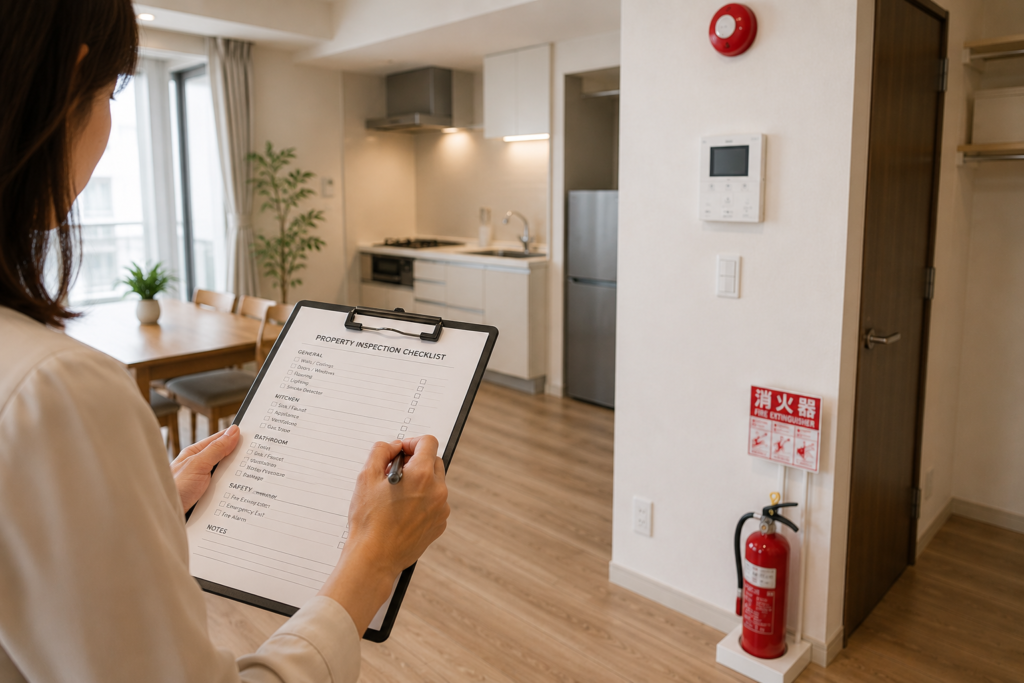
- Missing or insufficient fire safety equipment.
- Commercial waste being disposed of as household waste.
These issues may remain unnoticed for years.
However, if they are reported by neighbors or discovered during an inspection, owners may be required to suspend operations until the deficiencies are corrected.
A Real Example
One owner approached us after becoming dissatisfied with the previous management company. When we reviewed the operation, we found several compliance issues, including:
- The third floor was being rented to guests despite having been excluded from the original registration due to building code requirements.
- Required fire safety equipment had not been installed.
- Commercial waste was being disposed of as household waste.
In order to bring the property into compliance, the owner ultimately spent approximately JPY 1.2 million on corrective work, including additional fire safety equipment, smoke-control doors, waste management improvements, and other necessary upgrades.
None of these costs would have been necessary had the property been operated correctly from the beginning.
Why We Have Become More Selective
For this reason, we are generally cautious about taking over existing minpaku properties unless we were involved from the initial registration or have continuously managed the property ourselves.
For buyers, this means looking beyond projected income and occupancy. Understanding how the property has actually been operated can be just as important as the property itself.