One of the most noticeable trends in Tokyo’s short-term rental market over the past few years has been the gradual tightening of regulations.
For investors, the most important change is that many wards are beginning to require an onsite manager or local operating presence for full operation, with unattended properties in residential areas often being limited to weekends and holidays..
Existing Requirements
Some wards have imposed these requirements for years, including:
- Chiyoda Ward
- Chuo Ward
- Taito Ward
Effective in 2026
The following wards have already implemented these additional requirements this year:
April 2026
- Sumida Ward
- Katsushika Ward
Scheduled to Take Effect
These restrictions are scheduled to take effect in:
July 2026
- Shibuya Ward
- Koto Ward
Under Consideration
The following wards are reportedly reviewing similar measures:
- Meguro Ward
- Bunkyo Ward
While the details differ from ward to ward, the overall direction is becoming clear: obtaining a new short-term rental or hotel license is becoming more difficult.
The Impact on Property Values
As obtaining new licenses becomes more difficult, demand for properties with transferable hotel licenses has increased significantly.
One important thing to be aware of is that minpaku registrations generally cannot be transferred to a new owner.
(An exception may apply where the minpaku registration is filed under the operator rather than the owner, and the same operator remains in place after the transaction.)
As a result, licensed properties often trade at a premium compared to similar unlicensed properties. From our observations, premiums of approximately 30–40% are not uncommon.
At first glance, this may seem expensive.
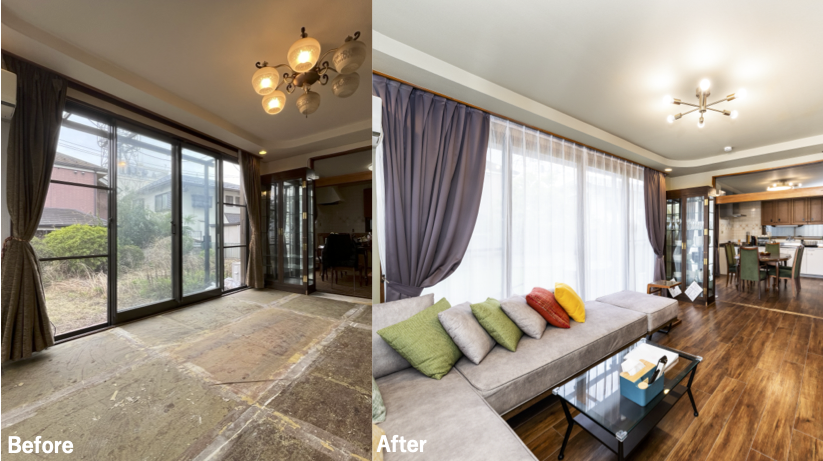
However, converting a residence into a licensed short-term rental often requires:
- Renovation work
- Fire safety upgrades
- Furniture and appliance purchases and installation
- Professional licensing fees
- Months of coordination with government agencies
- Execution risk
- Several months of no income during setup
When viewed from that perspective, the premium is often more reasonable than it initially appears.
The seller is not only selling a property.
They are selling a completed project.
Why Investors Still Buy Licensed Properties
Despite the premium, licensed properties can remain attractive investments.
In many cases, they still produce higher returns than conventional long-term rentals in similar locations. More importantly, they provide certainty.
For investors seeking maximum returns, creating a licensed operation from an unlicensed property may still be worthwhile.
However, for those who prefer to reduce execution risk while still benefiting from the flexibility and income potential of short-term rentals, already licensed properties are becoming an increasingly attractive option.
The acquisition price may be higher, but much of the licensing, construction, and operational risk has already been removed. For some investors, that certainty alone can justify the premium.