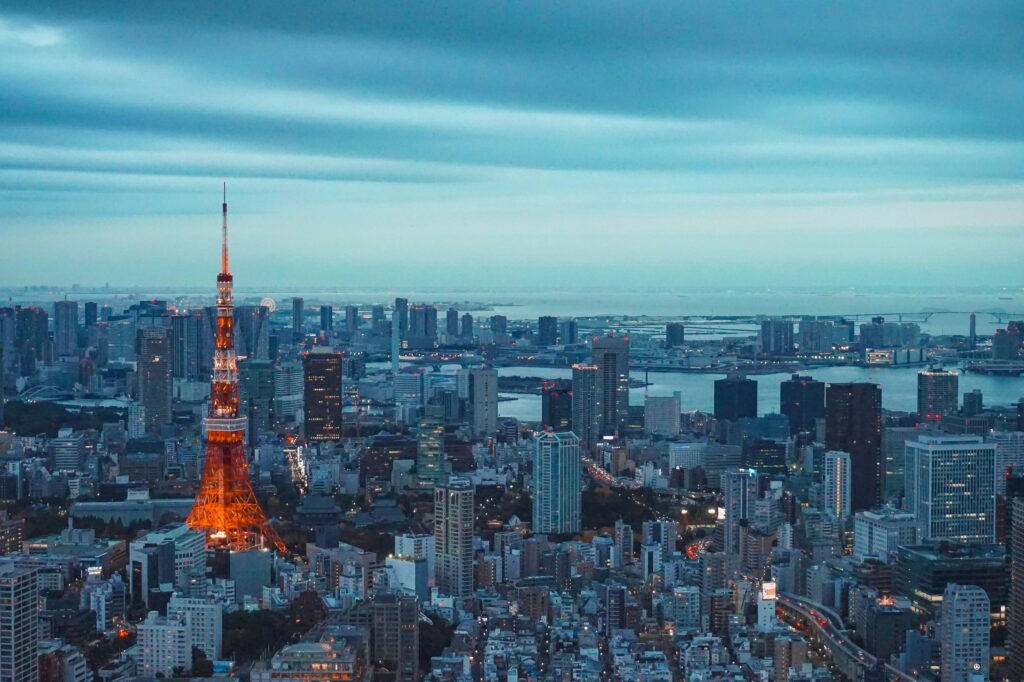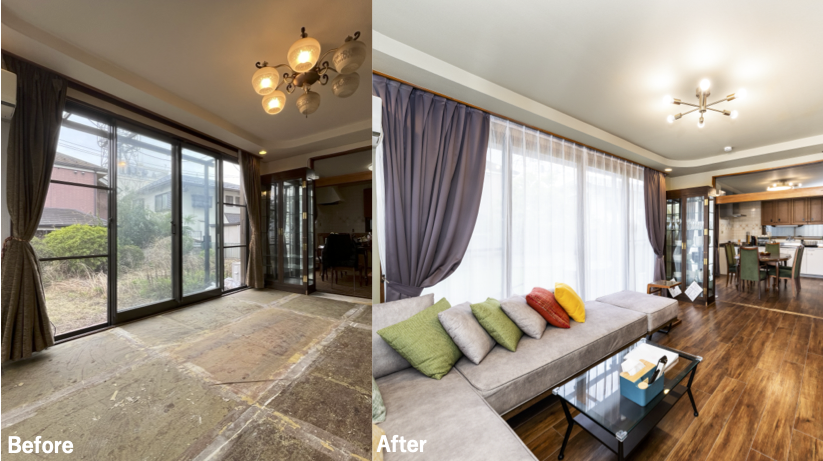
We currently operate three short-term rental properties in the Komae area of Tokyo.
Our first project there began through a personal connection. A homeowner asked for help with a family home that had been vacant for nearly three years. At the time, we were actively looking for opportunities to gain practical experience in short-term rental operations. Despite our initial reaction — “Where exactly is Komae?” (a question many Tokyo residents themselves share) — we decided to examine the area more carefully.
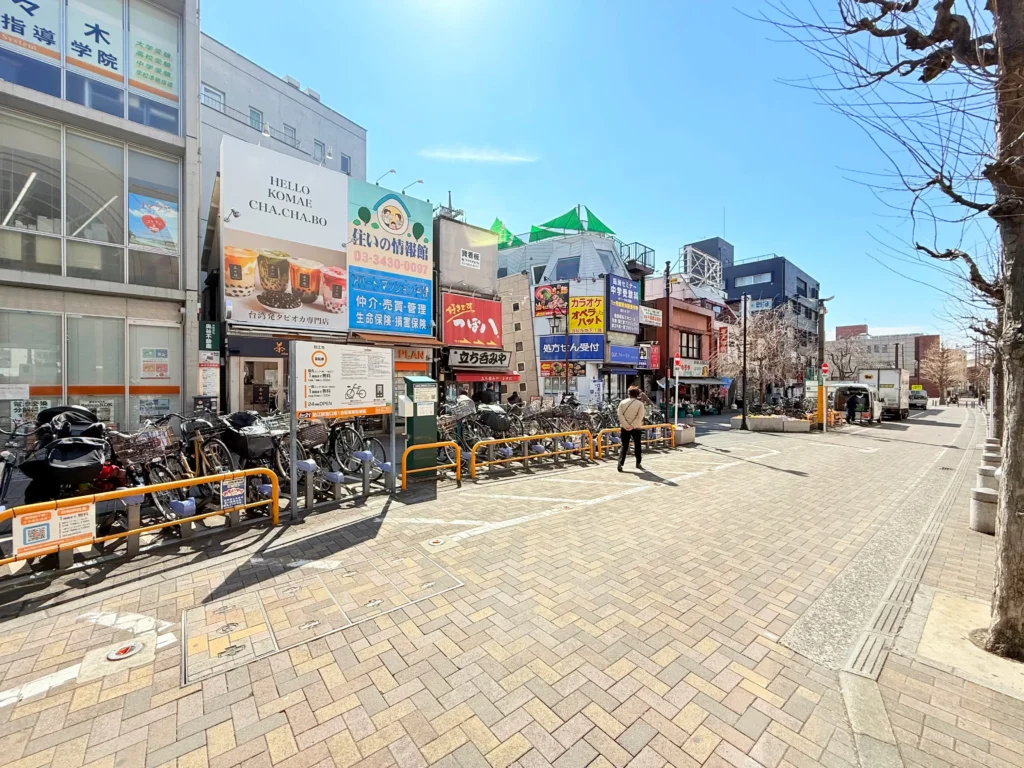
Komae is located about 20 minutes southwest of Shinjuku on the Odakyu Line, between Setagaya (Tokyo) and Kawasaki (Kanagawa), along the Tama River. The city has three stations — Kitami, Komae, and Izumi-Tamagawa — and is zoned primarily for low-rise residential use, with very few tall buildings. The result is an open skyline and a calm atmosphere with little sense of urban crowding.
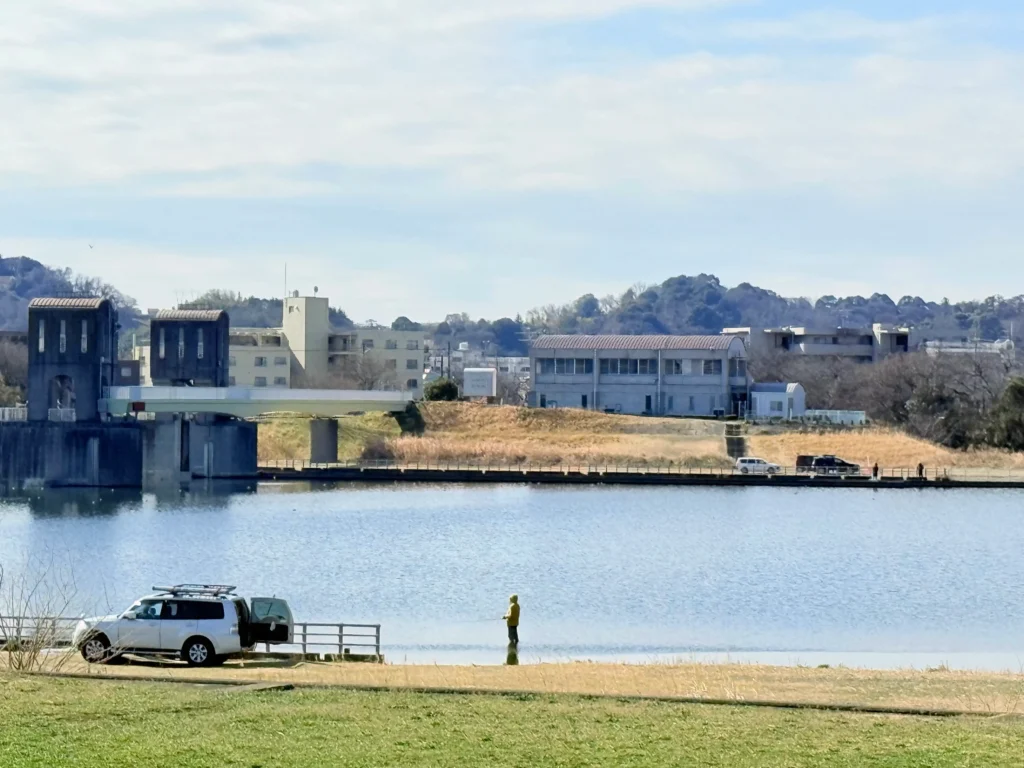
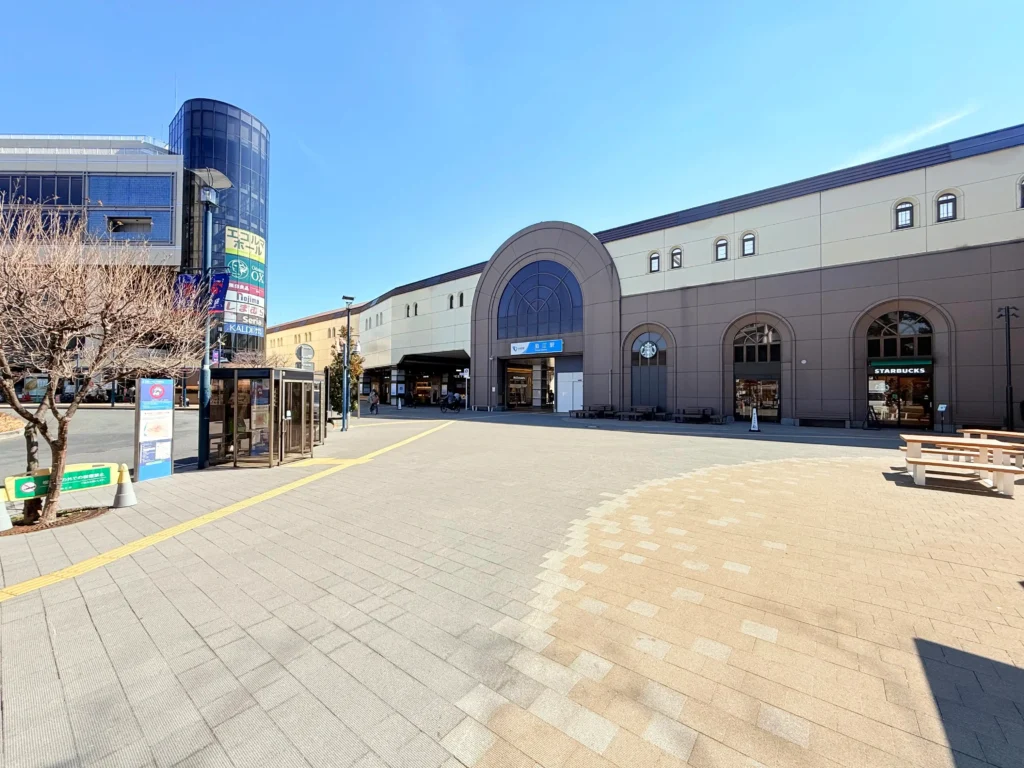
In recent years, the area has seen gradual redevelopment, with new commercial facilities and cafes opening while long-established local shopping streets remain active. National retail brands such as Starbucks have also entered the area, signaling steady local demand and a stable residential base. Each station area features a small public plaza, and the riverside offers extensive walking paths and sports grounds used daily by residents. Overall, it is a clean, safe, and family-oriented community.
While the area feels quiet and suburban, access to central Tokyo is straightforward. On the way to Shinjuku, the Odakyu Line passes popular destinations such as Shimokitazawa and Yoyogi-Uehara, and through services via the Chiyoda Line provide convenient travel to major districts including Omotesando, Akasaka, Kasumigaseki, and Otemachi. In other words, Komae sits firmly within the metropolitan commuting zone, making both residential and accommodation demand understandable.
How We Evaluated the Area
To better understand this demand and quantify its potential in order to determine a realistic investment budget, we analyzed the area from three perspectives:
- What types of competing accommodations exist nearby
- At what price they are advertised
- How fully booked they actually are
When accommodations are scarce in an area, it may indicate either weak demand or strict local regulations. Komae has not seen a rapid increase in accommodation supply; however, there has been sufficient supply since then, and many properties are performing well today.
A common way to estimate potential revenue is to observe competitor pricing. Fortunately, those competitors were (and are) accommodating similar group sizes, making comparisons straightforward.
Finally, and most importantly, we examined competitors’ booking calendars to see how far in advance they were already booked. Even among very similar properties, booking levels can vary dramatically. Excluding listings with special features such as BBQ facilities, pools, or rooftop terraces, the key difference typically comes down to the price per guest — not the maximum capacity, but the nightly rate based on a comfortable number of occupants.
Overpriced properties tend to remain largely vacant, reasonably priced ones are booked one to two months in advance, and competitively priced properties often have more than half of their calendars filled three to four months ahead.
Because the minpaku license limits short-term accommodation to 180 days per year (excluding stays longer than 30 days, which are treated as rentals), we conservatively assumed a 50% occupancy rate — approximately 15 nights per month — at competitive pricing, and proceeded because the overall investment scale made financial sense.
What We Learned Through Operation
In practice, our properties operate closer to 20 nights per month, reaching the 180-day limit in about nine months. We are also able to secure several months of long-term bookings exceeding 30 nights, resulting in high overall occupancy throughout the year.
In addition, we discovered an additional source of demand that was not immediately obvious from data alone. The broader area is home to numerous universities and attracts both domestic and international students, sports teams, and families, in addition to inbound tourists. As a result, the property receives a significant number of longer stays, with an average booking length of around six to seven nights — considerably longer than typical tourism-focused accommodations.
A Practical Entry Point Beyond Central Tokyo
While central districts such as Shibuya or Shinjuku often command higher nightly rates and occupancy, acquisition costs in these areas are substantially higher, meaning overall yields are not necessarily superior — and can often be lower.
Locations like Komae offer a different balance. Strong demand combined with more affordable purchase prices reduces downside risk and lowers the psychological barrier for first-time investors. At the same time, being only about 20 minutes from central Tokyo, the area provides a tranquil residential environment rarely found in the city center. This makes such properties appealing not only as income-generating assets but also as lifestyle investments or potential second homes.
For investors entering the short-term rental market for the first time, areas like Komae may represent a practical and lower-risk starting point.