When evaluating a property for short-term rentals, many people focus primarily on how the property will be operated after launch.
Operational quality certainly matters. In practice, it comes down to basic professionalism — responding to guest messages promptly, maintaining consistent cleanliness, and ensuring that the listing accurately reflects the property.
Assuming the property is managed by a reliable and professional operator, the next question becomes whether the property itself is suitable as a short-term rental investment.
There are three things to check before selecting a property.
1. Whether the Property Can Obtain an Operating License
The first and most fundamental question is whether the property can legally operate as a short-term rental.
In Japan, licensing feasibility depends on several regulatory factors.
At a basic level, this typically involves:
- Zoning of the property
- Building structure (a common checkpoint is the layout of the staircase)
- Additional municipal ordinances (mainly related to special zoning rules and operational requirements)
(*We will cover these topics in more detail in future posts.)
Some of these requirements can be confirmed through municipal websites. However, if you are unsure how to evaluate these factors, it is often best to consult someone familiar with the regulations and conduct a pre-purchase consultation with the relevant authorities before purchasing.
If you are evaluating a property and would like a second opinion on whether it may be suitable for short-term rental, you can schedule a consultation here:
https://calendly.com/yoshi-jinzaki-jinshomes/new-meeting
2. Planning and Cost Estimation
The second step is estimating how the property would be set up for operation and what that setup would cost.
This usually begins with determining:
- How many beds can comfortably be installed
- The resulting guest capacity
- The furniture, appliances, and amenities required to support that capacity
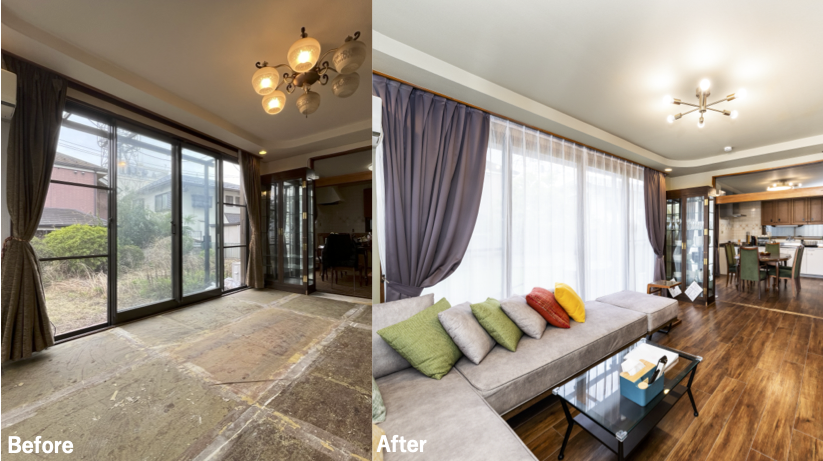
Renovation costs do not have a single correct answer. They depend largely on the condition of the property and the level of design quality the owner wants to achieve.
Regardless of the target quality level, it is common for small issues to appear once construction begins (for example plumbing problems or electrical upgrades). For this reason, renovation costs are generally better estimated with a margin of safety.
3. Estimating Income Potential
The third step is estimating the income potential of the property.
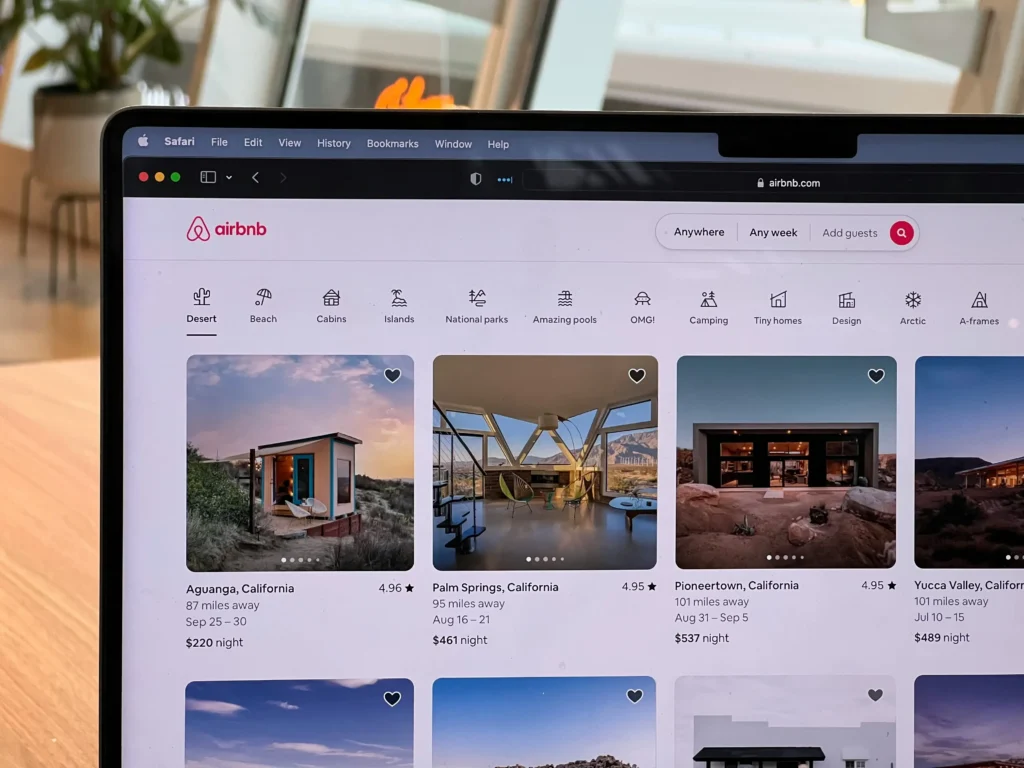
This usually involves analyzing comparable listings nearby to understand typical nightly pricing in the area and how occupancy tends to respond to those price levels.
In general, when listings of similar quality are compared, the lower-priced option tends to be favored. Today, most short-term rentals in Tokyo are presented at a certain standard, making it difficult to create large differences in quality between comparable listings. As long as properties are properly maintained and honestly presented, pricing often becomes the deciding factor.
That being said, it is important to evaluate not only what price other listings advertise, but also the occupancy level at the advertised price.
To take this analysis one step further, it can be helpful to evaluate listings based on price per guest, rather than simply comparing nightly rates. For example, a property that appears in search results for six guests may actually have the capacity to host twelve people, which allows it to charge a higher nightly rate.
However, many listings also adjust pricing depending on the number of guests, so careful observation is required to understand the true pricing structure.
If you would like help evaluating the income potential of a property, you can schedule a consultation here:
https://calendly.com/yoshi-jinzaki-jinshomes/new-meeting
The Most Important Investment Decision
Taking these three factors together — licensing feasibility, setup costs, and income projections — investors can usually estimate a reasonable range for the property’s potential performance.
In short-term rental markets, pricing and occupancy patterns are often visible through comparable listings. This means that the potential income of a property can usually be approximated before it is purchased.
Once that income range is understood, the most important question becomes simple:
Was the property acquired at a price that allows those projected returns to make sense?
If the acquisition price is favorable, the owner has flexibility to adjust pricing and maintain healthy occupancy. If the property is purchased at an aggressive price, achieving the expected returns becomes much more difficult.
In practice, the success or failure of a short-term rental investment — whether it ultimately delivers the expected returns or falls short — is often determined less by what happens after launch and more by the accuracy of the income assumptions and the price at which the property was acquired.
Many investors begin evaluating short-term rental opportunities only after they have found a property they like. In reality, however, the economics of the investment are often determined long before that point.
If you are currently evaluating a property and would like a second opinion before making a purchase decision, you can schedule a consultation here:
https://calendly.com/yoshi-jinzaki-jinshomes/new-meeting